How wholesaling works, in one paragraph
You find an owner who needs out, put the property under an assignable contract at a price a cash buyer will love, then sell that contract for a fee. No mortgage, no rehab crew, mostly legwork and phone calls. The rest of this guide is each step in order, plus the two tools we lean on: DealCheck and Foreclosure.com . There is also a companion piece on top investor tools for 2025 if you want the longer tool list.
1. Source Motivated Sellers
Everything starts with an owner who has a reason to move fast: foreclosure on the calendar, a probate nobody wants, a divorce, a landlord who is done. A service like Foreclosure.com surfaces pre-foreclosures before they reach the MLS. Driving for dollars still works too: note the addresses of neglected houses in your target ZIPs, then trace the owners and call. A list of addresses becomes a pipeline the day you can reach the people behind it, and that part is exactly what we do: upload the list, get owner phones and emails back, pay per match from a dollar, misses free.

2. Analyze & Underwrite Deals
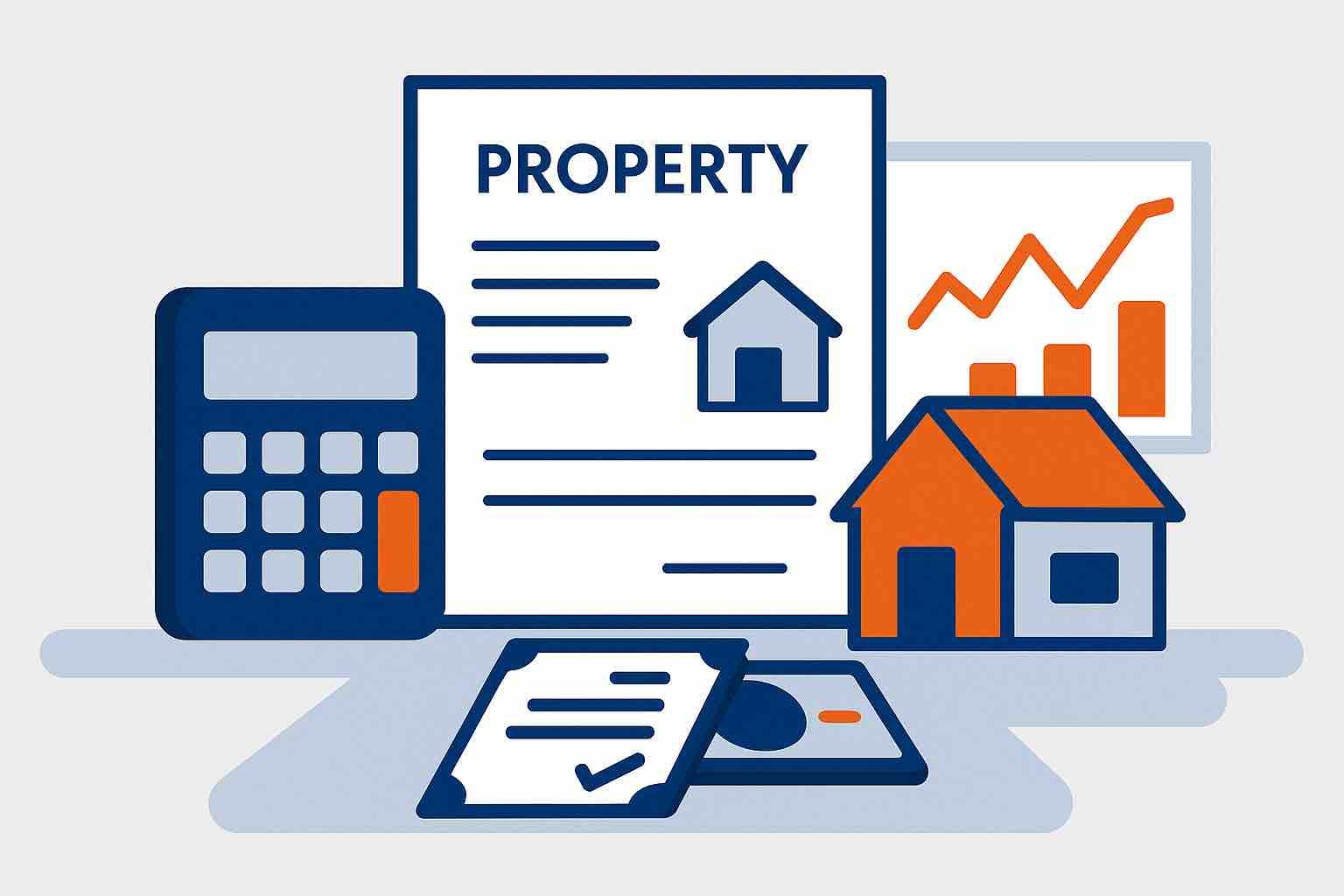
Don’t guess. calculate. A strong offer meets this formula: MAX OFFER = ARV × 70% – REPAIRS – YOUR FEE. Use DealCheck to quickly import comps, estimate repairs, and model different scenarios from your laptop or phone.
Run the numbers three ways: the price you hope for, the price you expect, and the price that still works if the roof is worse than it looked.
3. Lock in the Contract
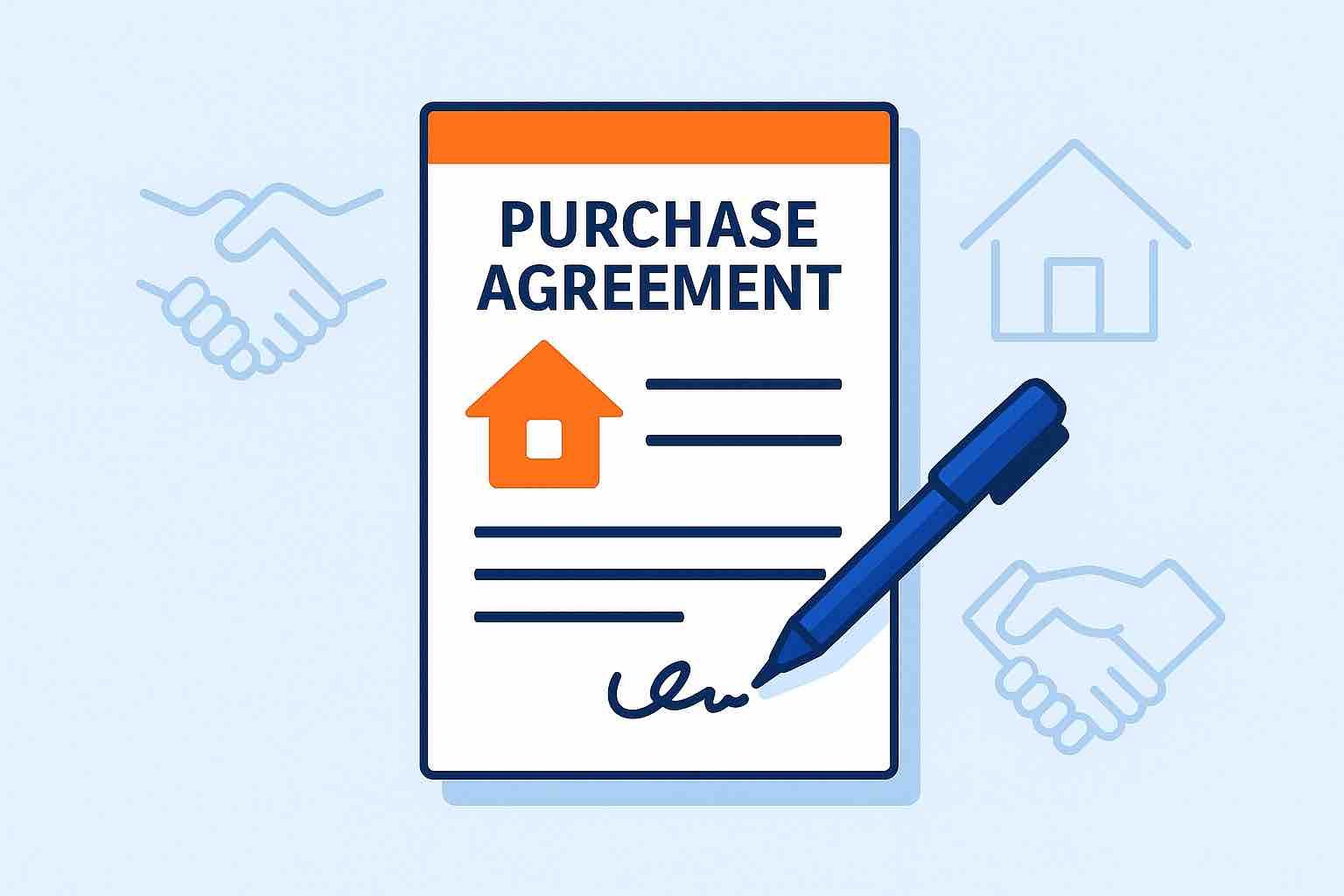
Use a standard purchase agreement that allows assignment and includes an inspection clause. Don’t rush. build in 10–14 days to find a buyer. Request a $1,000–2,000 earnest money deposit to show seriousness without risking too much.
It’s vital that your contract states it is assignable. If not, you’ll be unable to legally transfer it.
4. Build Your Cash Buyer List
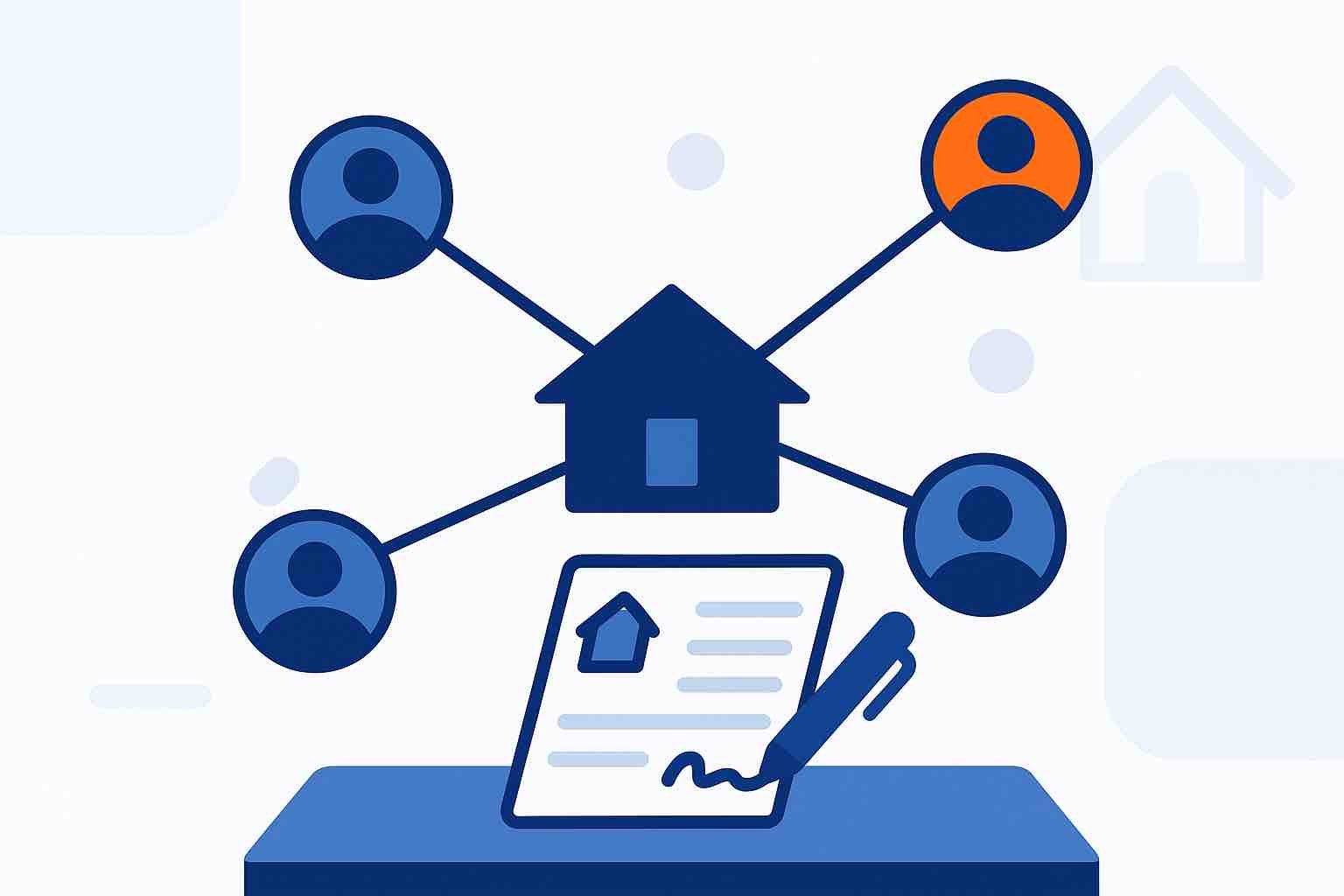
Don’t wait. start gathering buyers now through REI groups, online platforms, or investor events. Use BILT CRM to store contact info, preferences, and follow-up reminders.
Tip: categorize buyers by criteria like cash range and rehab preferences so you can send tailored deals.
5. Assign or Close the Deal
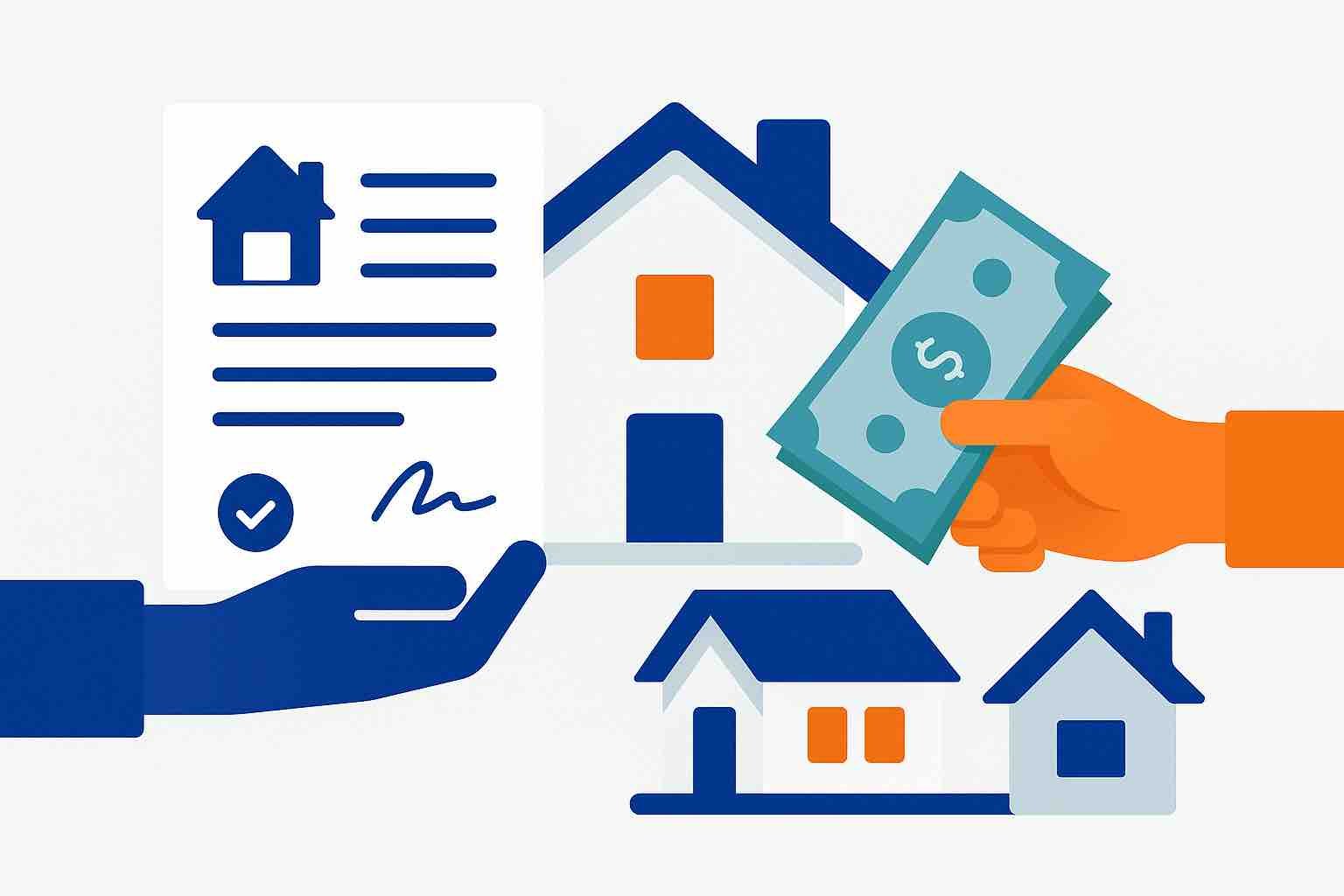
With buyers lined up, assign the contract by transferring rights in a simple assignment agreement. Collect a fee, often between $5,000–$10,000+ based on the margin. Alternatively, double-close. but keep mind of extra costs like transfer taxes.
6. Best Practices & Pitfalls
- Inspect everything: always include an inspection contingency for protection.
- Comps matter: never overpay. buyers will scrutinize your numbers.
- Stay compliant: understand assignment disclosures and any state-specific regulations.
- Follow up: a good seller today might be great tomorrow. even if this deal falls through.
- Track metrics: record lead sources, conversion rates, and profit per deal to refine your strategy.
7. Tools, Skip Trace & Smart Resources
- DealCheck – Fast deal analytics with ARV, repairs & MAO (use code SKIPTRACEDEPOT for 20% off).
- Foreclosure.com – Discover pre-foreclosure and distressed listings off-market.
- BILT CRM – Organize buyers and automate follow-ups through your deal pipeline.
- Skip Trace Depot services – Upload any address list, get owner phones and emails back. Pay per match, from $1, misses free.
- Canva – Build professional flyers, postcards, and social media assets.
None of this is complicated, and none of it is optional either. Source, underwrite, lock the contract, know your buyers, close. Skip a step and the deal usually tells you which one you skipped. For the longer version of the toolbox, see our essential investor tools article as well.
Ready to find property owner contacts?
Upload your list. Phones and emails in minutes. Pay per match, from $1. Misses are free.
Start Tracing →